Central and South Asia Emerging Defense Leaders Forum
May 20, 2026 2026-05-20 18:12Central and South Asia Emerging Defense Leaders Forum
Central and South Asia Emerging Defense Leaders Forum
From May 11–15, 2026, the Near East South Asia (NESA) Center for Strategic Studies hosted the Central and South Asia Emerging Defense Leaders Forum, bringing together 16 participants from 9 countries for an intensive, week-long program in Washington, D.C.
Led by NESA Center Professor of Practice Brianne Todd, the forum focused on preparing early- and mid-career national security professionals to navigate an increasingly complex strategic landscape shaped by geopolitical competition, resource constraints, and evolving defense priorities. The program blended expert-led discussions, small group exercises, and real-world simulations to strengthen participants’ ability to assess threats, prioritize resources, and lead during crises.
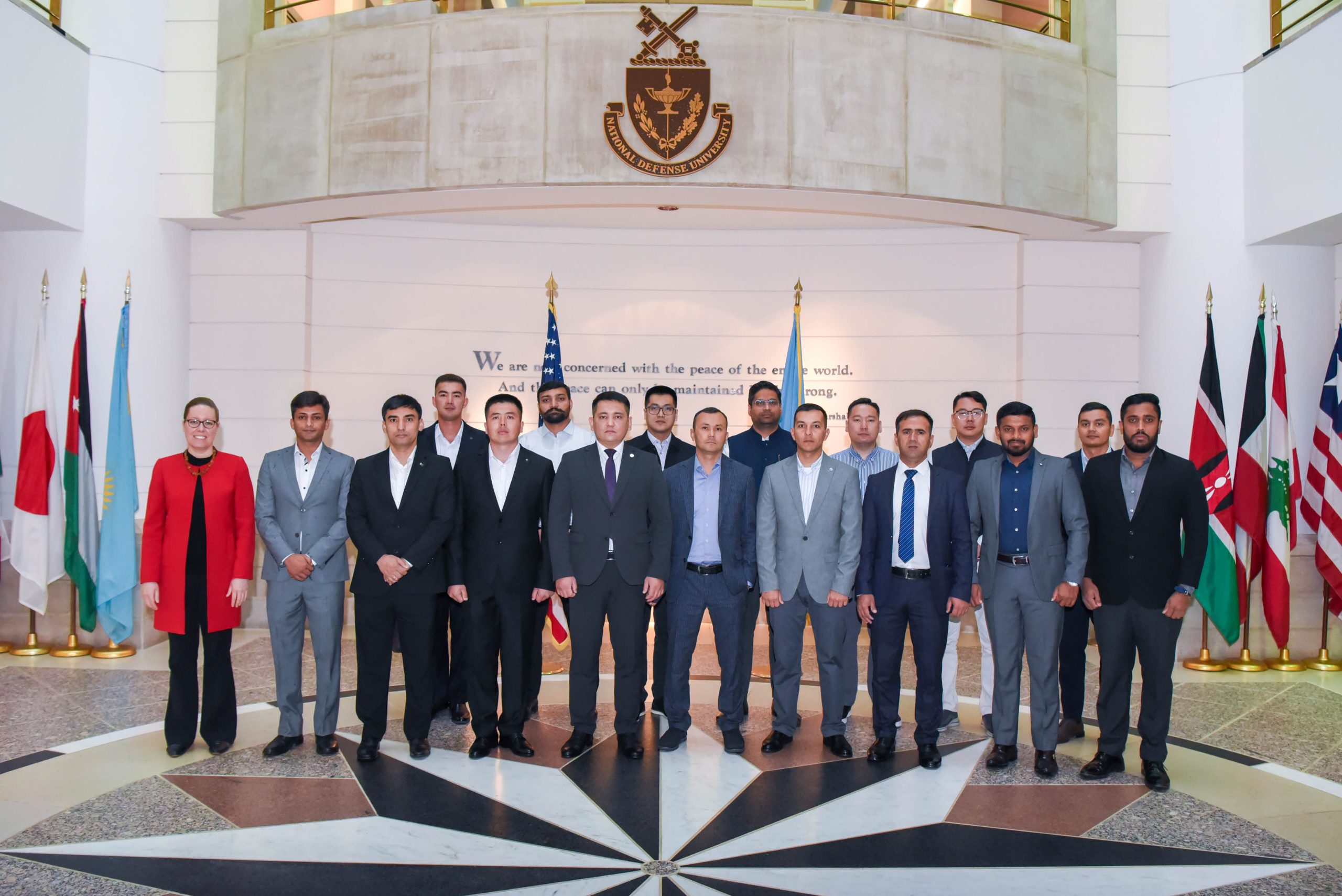
Throughout the week, participants examined key themes central to today’s defense environment, including interpretation and implications of the 2026 U.S. National Defense Strategy, defense industrial capacity and opportunities for international partners, the impact of emerging technologies such as artificial intelligence and autonomous systems, and regional instability and risk assessment models.
Through structured exercises, participants developed strategies to address transnational challenges while also exploring avenues for enhanced regional cooperation. A hallmark of the forum was its emphasis on applying theory to practice. Participants engaged in collaborative exercises that required them to analyze regional threats, allocate limited defense resources, and present policy recommendations in simulated high-level decision-making environments. These activities culminated in a capstone national security crisis simulation, where participants navigated a “simultaneity shock”—a fast-evolving scenario featuring multiple concurrent crises competing for attention and resources. This exercise challenged participants to make difficult tradeoffs, coordinate responses, and maintain strategic focus under pressure.
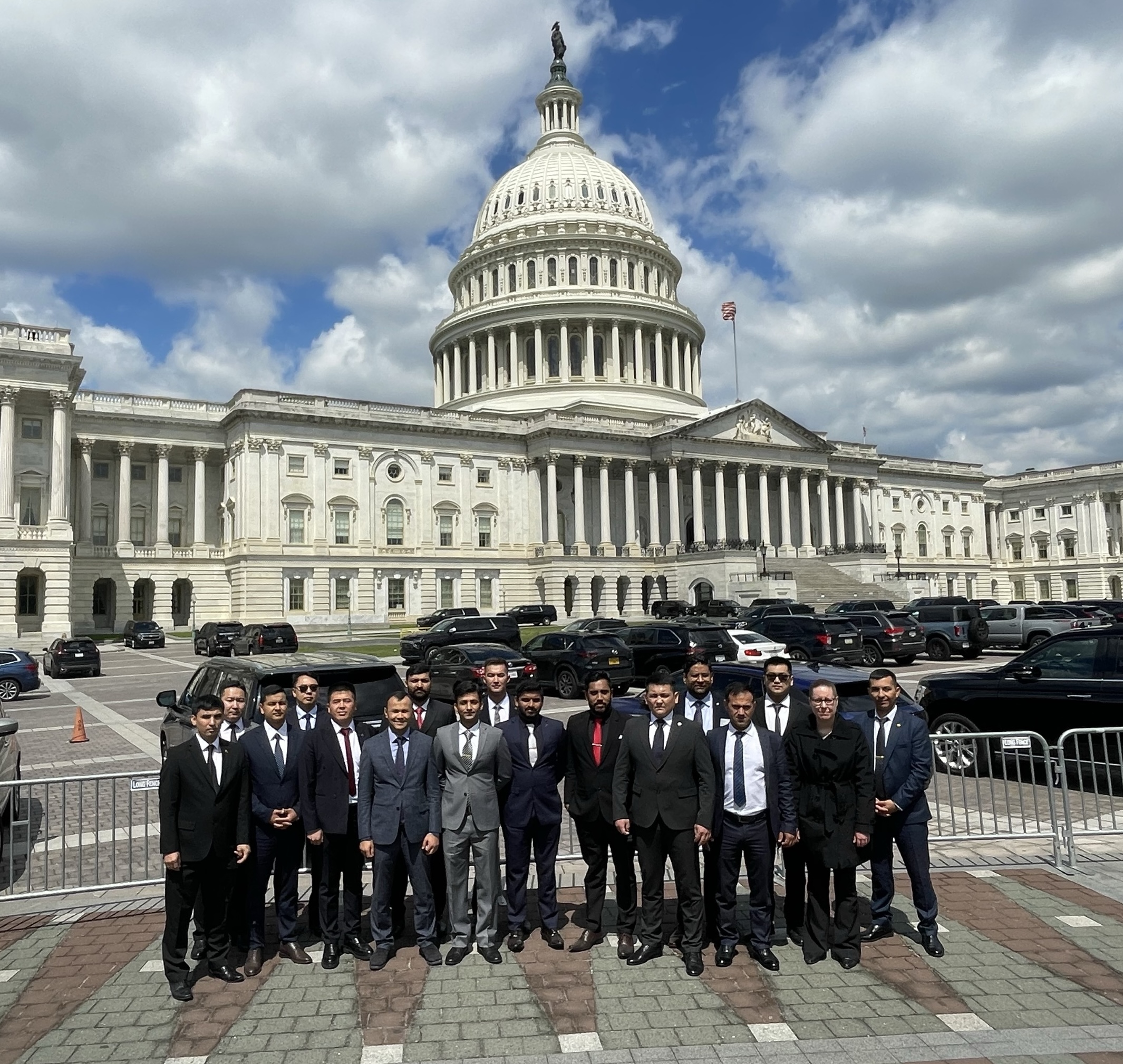
Beyond the classroom, participants gained firsthand insight into U.S. governance and policymaking through a field study visit to Capitol Hill. The visit included a tour of the U.S. Capitol and discussions with congressional staff, offering a practical understanding of how legislative processes shape national security policy and defense outcomes. Participants also attended the NESA Center Washington Security Forum focused on “Partnership in an Era of Prioritization,” where leading experts discussed evolving expectations for allies and partners amid shifting U.S. strategic priorities.
As the strategic environment continues to evolve, initiatives like the Central and South Asia Emerging Defense Leaders Forum play a critical role in preparing the next generation of leaders to address emerging threats while strengthening regional cooperation and resilience.